Where the load calculation goes to fail
Every community Hamilton Panel Upgrades serves has a defining electrical pattern, and Ancaster's is heavy load. The surveys that grew outward from the old village through the 1960s, 70s and 80s put up the area's largest houses on its largest lots, and five decades of ownership have filled them with the region's heaviest electrical loads. A pool with a heater and pump. A hot tub on its own 50-amp circuit. A finished basement, a shop in the garage, whole-home air conditioning. Now the 2026 layer arrives: a Level 2 EV charger drawing 32–48 amps continuously, and a cold-climate heat pump where the aging furnace used to be. Run the Canadian Electrical Code Section 8 load calculation over that inventory on a 100-amp service and the calculation fails quickly. No neighbourhood we quote fails the calculation more often.
That's why the Ancaster conversation usually starts with capacity rather than compliance (an EV quote, a heat-pump conversion, a pool addition). But it rarely stays there, because of what's on the wall.
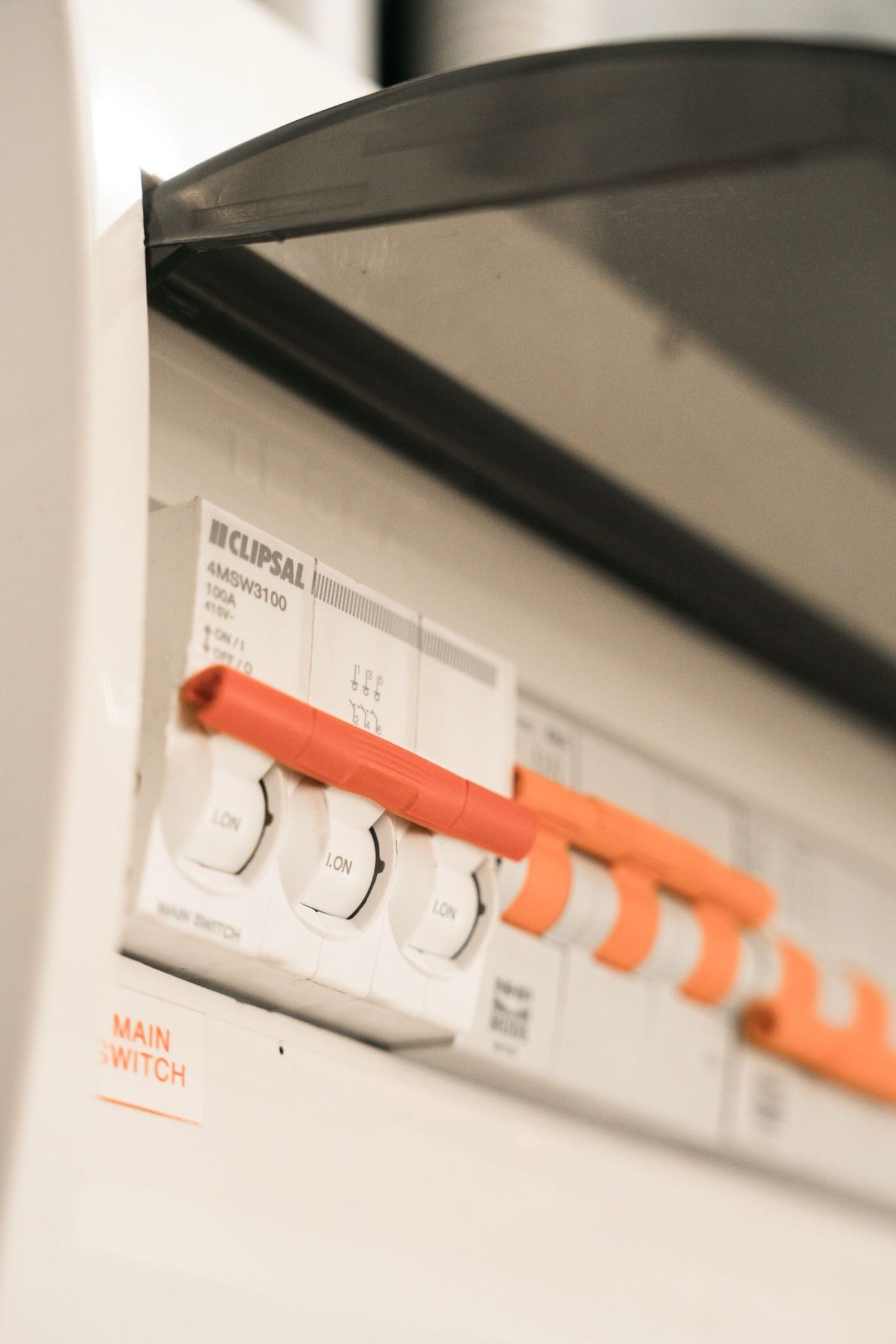
The panel surprise inside the capacity project
Ancaster's growth decades were the Federal Pioneer decades. When an electrician opens a never-replaced panel in a 1972 estate build to plan a charger circuit, the odds are strong the label reads Federal Pioneer. At that moment the project scope changes. Adding circuits to a Stab-Lok panel is money spent on equipment every insurer wants gone; the sensible scope becomes the panel-plus-200-amp bundle: flagged panel out, modern loadcentre in, service upsized for the added difference in cost, charger circuit landed in a panel with decades of room. One day of work through the standard ESA and Alectra sequence, and both the capacity problem and the not-yet-discovered insurance problem end together. Owners who skip the bundle and discover the panel at their next renewal end up paying for a second crew visit the bundle exists to avoid.
Ancaster tends toward the upper bundle range ($3,000–$4,500+) for honest reasons: more square footage means more circuits to transfer, and estate lots mean longer service runs, sometimes underground. The cost page itemizes every cost factor; the load calculation comes free with the quote.
Three Ancaster house types, three playbooks
- The 1960s–80s subdivision or estate build: the majority. Bundle logic above; check the build year against the 1965–76 aluminum window too, since pigtailing adds little when the panel's already open
- The village heritage home: Ancaster village is among Ontario's oldest settlements, and the homes around Wilson Street can carry knob-and-tube and small services under their heritage character. Trace first, scope second, same as the lower city's century stock
- The newer Meadowlands-era house: 1990s onward, modern panels, usually fine. These calls are pure capacity: charger circuits and the occasional service upsizing for a pool or suite, no remediation attached
When the big house changes hands
One more Ancaster pattern is worth naming: the high-value listing. Larger transactions get thorough inspections, and a Federal Pioneer label in an otherwise immaculate executive home is exactly the kind of finding that worries buyers out of proportion to its $1,500–$3,000 fix. Sellers here have the strongest pre-listing case in the city (the swap is small next to the sale price and removes the most predictable objection), while buyers holding an inspection report should read the transaction guide before conceding anything. Either way, the quote that settles it is written, itemized and back within 24 hours.