Why underwriters became Hamilton's de facto electrical inspectors
No Ontario law compels you to remove a Federal Pioneer panel or century-old wiring, and Hamilton Panel Upgrades hears the resulting confusion daily: "If it's legal, why is my insurance company demanding I replace it?" The answer is claims data. Carriers price fire risk across all the homes they insure, and three electrical systems keep surfacing in loss statistics: Stab-Lok breaker panels, knob-and-tube wiring and 1965–76 aluminum branch circuits. Since no regulator forces those systems out of houses, insurers built their own enforcement: the questionnaire at binding, the inspection at renewal, and the letter with a deadline.
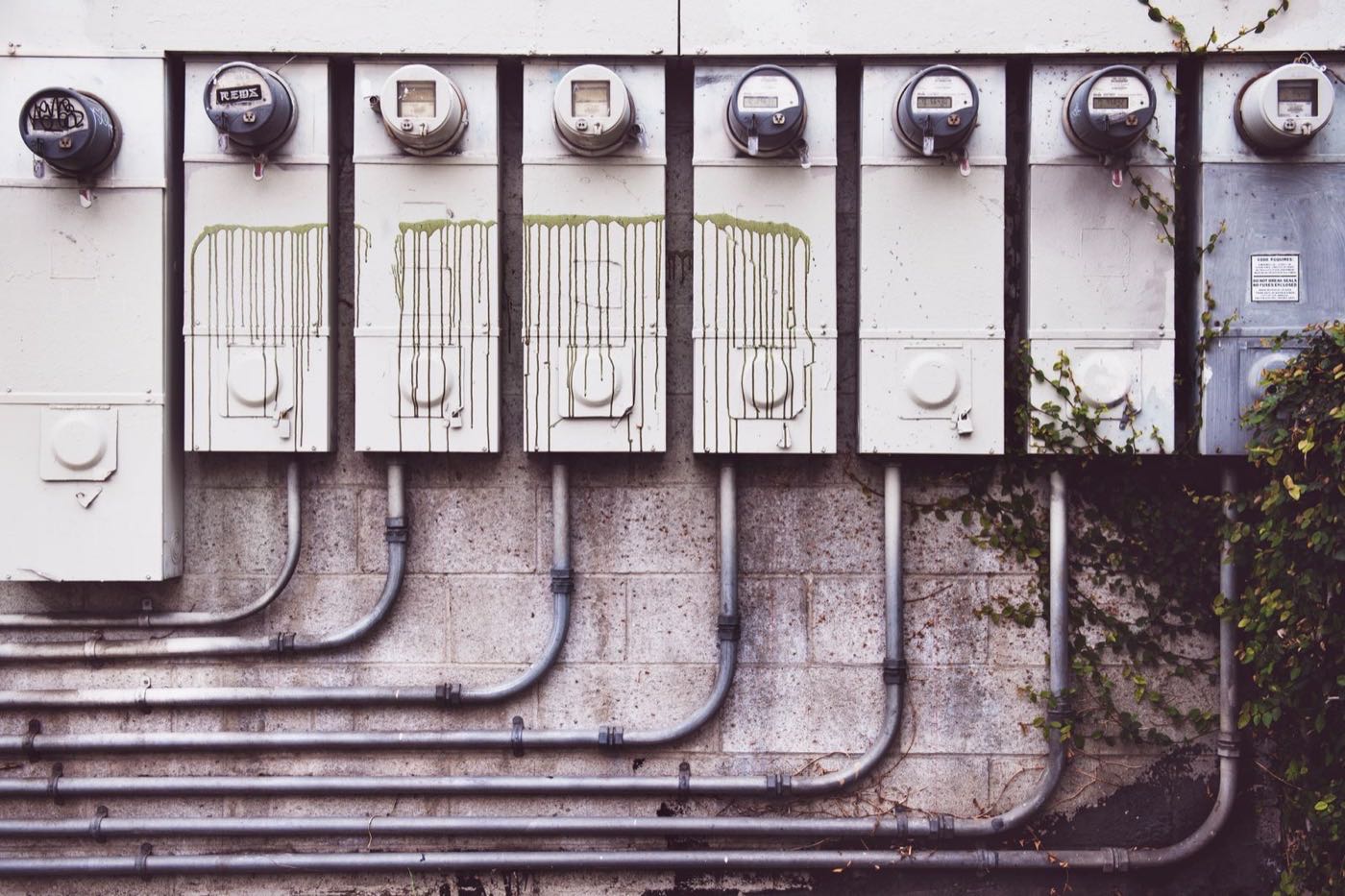
How they find out
Homeowners are often startled that their insurer knows what's in the basement. The discovery paths are mundane:
- The application questionnaire: "age of electrical panel," "type of wiring," "amperage of service" are now standard binding questions; a wrong answer risks a denied claim later, which is worse than any surcharge
- The home inspection during a sale: inspectors photograph the panel label; the buyer's insurer reads the report before issuing the binder the lender requires
- Renewal risk inspections: carriers periodically send inspectors to older housing stock; Hamilton's lower city and pre-1990 suburbs are exactly the profile they sample
- A claim on an unrelated peril: an adjuster in the house for water damage notes the Federal Pioneer label, and the note stays on your record
The three letters, decoded
Insurer responses to old electrical fall into a hierarchy, and knowing which one you received tells you your real timeline:
- Refusal / non-renewal: the carrier won't hold the risk at all. Common for active knob-and-tube and increasingly for Stab-Lok panels. Without coverage a mortgaged home is in breach of its loan conditions, so this letter gives you the least time
- Conditional coverage: the policy stands provided the named system is replaced within a stated window, usually 30–60 days, with proof. This is the most common Stab-Lok outcome in Hamilton right now
- Surcharge: coverage continues at a loaded premium until remediation. Typical for aluminum wiring, where pigtailing is the accepted, affordable exit
The remedy has to match the system. For a Federal Pioneer / Stab-Lok panel, only full panel replacement counts. Certified replacement breakers are rejected. The same full-swap rule applies when the letter names a Commander or Sylvania panel, where replacement breakers are scarce and cost-prohibitive anyway. For knob-and-tube, remediation must be ESA-certified, and replacement is the expected scope. For 1965–76 aluminum, pigtailing with CSA-approved connectors by a licensed contractor is accepted. Sending the wrong fix means starting over with less of your deadline left.
The document that ends the file
Everything converges on one artifact: the ESA Certificate of Inspection. When a licensed ECRA/ESA contractor completes the replacement under permit and the Electrical Safety Authority passes the work, that certificate (often alongside the contractor's invoice bearing the licence number) is what the underwriter's checklist requires. Photos won't do it. A handyman's receipt won't do it. This is why the cheapest possible fix and the insurable fix are the same fix: licensed, permitted, inspected. The step-by-step mechanics live on the ESA permits and process page.
Running the numbers on compliance vs. avoidance
Some homeowners consider keeping the surcharge or looking for a lenient carrier instead of doing the work. The math rarely supports that choice. A bare panel swap costs $1,500–$3,000 once (all ranges on the cost page); high-risk premiums and surcharges recur annually and compound with every market tightening. And avoidance has an expiry date anyway: the moment you sell, the buyer's inspector and insurer re-run the whole exercise on your behalf, usually at the least convenient point of the transaction. The buying and selling guide covers that situation in detail. Meanwhile the deadline window is more workable than it looks: quote in 24 hours, permit and Alectra booking inside a week or two, the swap itself in a day. A 60-day letter, answered promptly, closes with weeks to spare.