The three-body problem of Ontario electrical work
Homeowners calling Hamilton Panel Upgrades often arrive unsure what each acronym means, so here's who does what. The Electrical Safety Authority (ESA) is the provincial regulator: every notifiable electrical job in Ontario is filed with it, inspected by it, and certified by it. ECRA (the Electrical Contractor Registration Agency) is the licensing side: a legitimate business operates as a Licensed Electrical Contractor and puts its seven-digit ECRA/ESA licence number on its trucks, quotes and invoices. And Alectra Utilities, Hamilton's electricity distributor, owns everything up to your meter: nobody legally opens a service without Alectra pulling the disconnect. Your contractor coordinates all three organizations; if you find yourself phoning a utility, something has gone wrong earlier in the process.
The timeline, quote to certificate
- Days 1–2: quote from photos. Panel label, open panel door, meter base. That's enough to price most swaps and bundles, with a written quote inside 24 hours
- Week 1: filing and booking. On acceptance, the contractor files the ESA notification (the "permit") and books Alectra's disconnect (the item that sets the real schedule, usually one to two weeks out)
- Swap day, morning: Alectra kills the service at the street. Only now does the supply side of your panel go dead. This is why panel replacement is not a do-it-yourself job
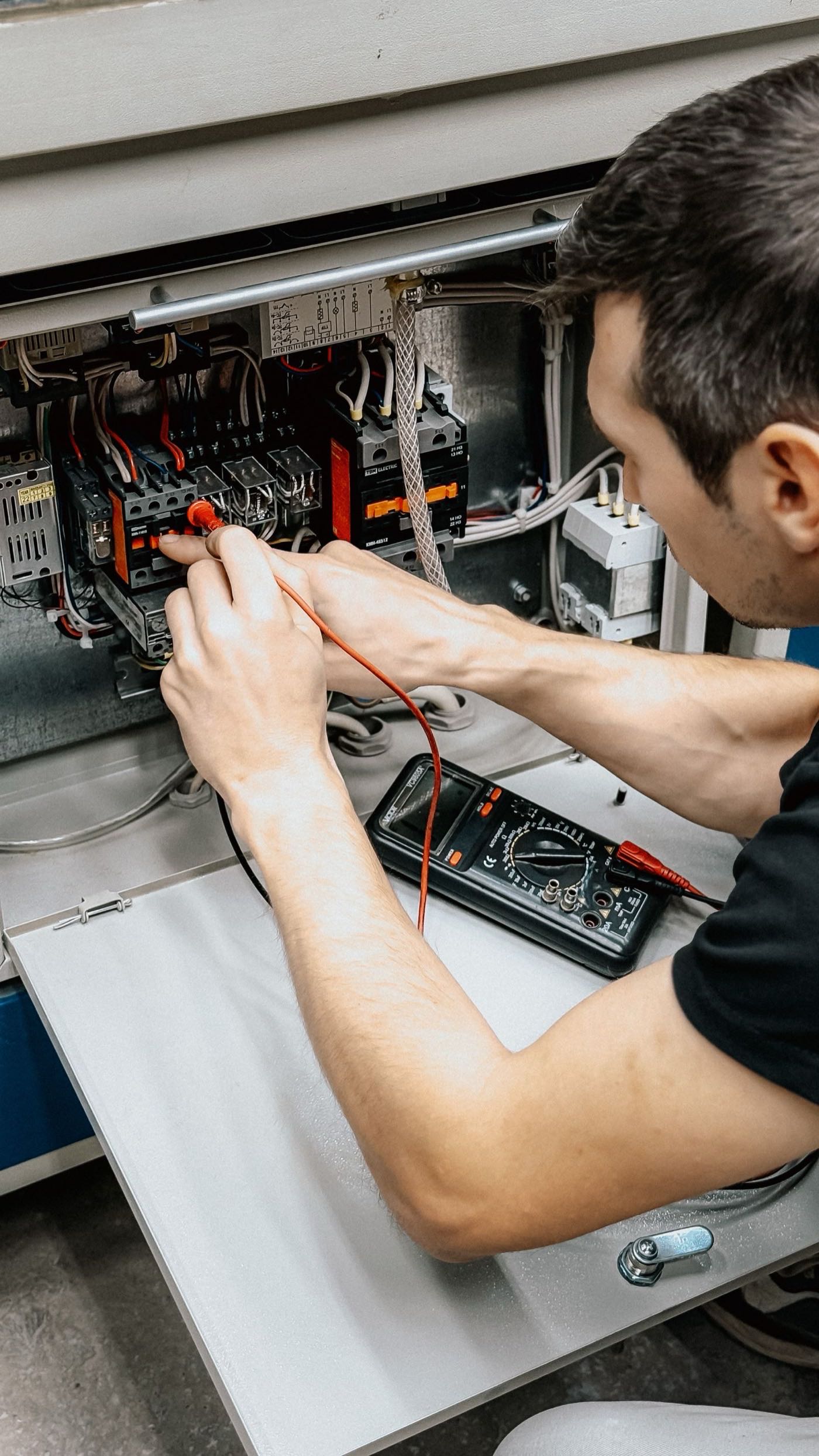
- Swap day, working hours: old panel off the wall (Federal Pioneer swaps and fuse boards alike), new loadcentre mounted, every branch circuit landed on new breakers and labelled, grounding and bonding brought to current code. Going to 200 amps? The mast, meter base and service conductors are replaced in the same window
- Swap day, end: reconnection under the ESA's process. For standard residential jobs, power is back the same evening
- The following days: ESA inspection of the completed work and issuance of the Certificate of Inspection, the document the whole job exists to produce
Total elapsed time: typically two to four weeks, of which your house is without power for parts of one day. Against a 30- or 60-day insurer letter, a job started promptly finishes well inside the deadline.
Why the permit is the product
A panel replacement is as much about paperwork as it is about hardware, and that works in your favour. An unpermitted swap can be electrically perfect and still worthless, because nothing exists to prove it: no filing, no inspection, no certificate. Your insurer's condition letter isn't satisfied by photographs of a shiny Siemens panel; it's satisfied by the ESA's independent confirmation. The same logic protects you at resale, when a buyer's home inspector asks when the panel was changed and under what permit, a question the buying and selling guide shows coming up in nearly every older-home transaction. Permitted work adds value when you sell. Unpermitted work is a liability, even when it looks new.
There's also a blunt legal floor here: in Ontario, doing electrical work for hire without being a Licensed Electrical Contractor is illegal, and the ESA prosecutes. The bargain-priced unlicensed swap risks fines, forced re-inspection and a re-do at your expense, and it still leaves the insurance condition in place. It costs more in the end than doing the job correctly once.
What you'll be asked to do (very little)
The homeowner's role on swap day: clear a working path to the panel, empty nothing, sign nothing mid-job. Keep fridge and freezer doors shut through the outage (they hold temperature for a working day). Charge your devices the night before, plan around no Wi-Fi for the day, and reset your clocks in the evening. The contractor handles Alectra scheduling, the ESA filing, the inspection appointment and the certificate delivery. When the certificate arrives, forward it to your insurer or broker with the invoice, and the condition comes off the policy. Costs for each configuration of this process (bare swap, bundle, wiring add-ons) are published on the cost page.