The panel tells on the wiring
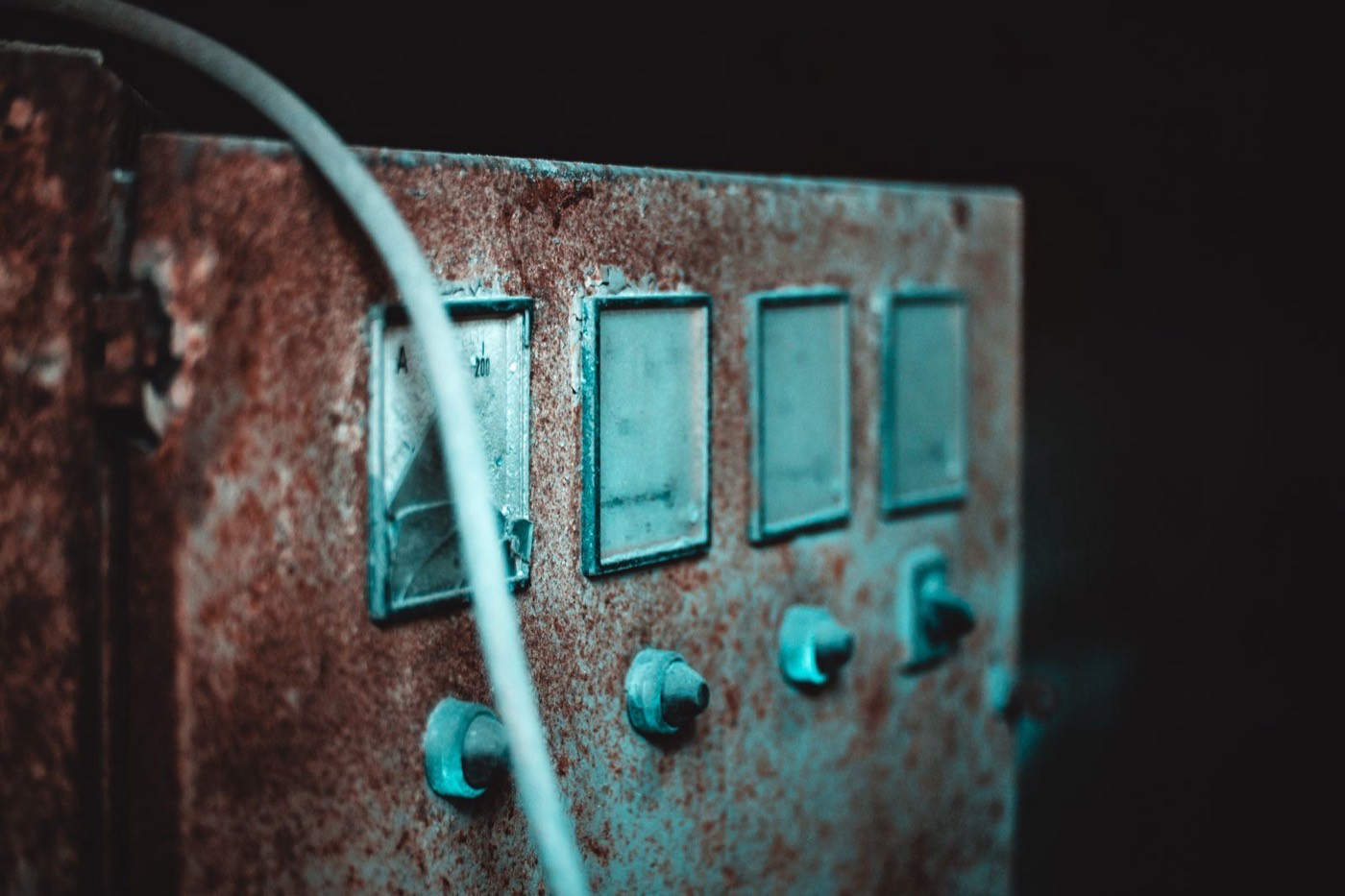
Most knob-and-tube discoveries that reach Hamilton Panel Upgrades don't start with anyone looking for old wiring. They start with a panel job. An electrician opens a lower-city panel to quote a Stab-Lok replacement or a service upgrade, and there they are: cloth-wrapped single conductors landing on the bus, running off into the joists as two separate wires where modern cable would be one. The panel door was from the 1970s; the circuits behind it were from 1925. In Hamilton's renovated-over housing stock, that mismatch is the rule, not the exception. Renovations replaced kitchens and bathrooms circuit by circuit across the decades, while bedroom ceilings and hallway lights kept running on the original system.
The scale is bigger than most people guess. Around 15.8% of Hamilton's ~233,000 dwellings predate 1945, roughly 36,900 houses from the knob-and-tube construction era, concentrated where the steel boom built fast and dense: Crown Point, Gibson, Strathcona, Kirkendall, the streetcar suburbs of Westdale, and the old cores of Dundas and Ancaster village. Accounting for the homes fully rewired over the years, credible estimates still leave 15,000–22,000 Hamilton homes with live knob-and-tube in at least some circuits.
What a century did to competent 1920s engineering
Knob-and-tube wasn't shoddy work: porcelain knobs and tubes, generous conductor spacing, careful soldered joints. Its problems are what the following hundred years added:
- No ground path, anywhere: every outlet on the system is two-prong; a fault can travel through the house instead of through a ground conductor
- Embrittled insulation: the rubberized cloth sheathing dries, cracks and flakes off, leaving bare copper in joist bays
- Buried heat: the design sheds warmth into open air; every attic-insulation retrofit since the 1970s energy crisis blanketed those conductors and trapped the heat
- A century of undocumented changes: handyman splices, doubled-up fuses and modern circuits tapped onto 1920s runs, much of it concealed and none of it documented, a particular issue in the lower city's converted duplexes and student rentals
Insurers treat live knob-and-tube as a refuse-or-surcharge item. Most standard carriers won't write a new policy on it, and remediation only counts when it's performed under an ESA permit and certified by the Electrical Safety Authority. The insurance page breaks down each letter type.
Scoping the rewire: trace first, then price
The most valuable step in any Hamilton knob-and-tube job is the trace. Because so much of this housing was partially rewired long ago, guessing leads to one of two expensive errors: paying for a whole-house rewire when only six circuits were still original, or "completing" a partial job that leaves hidden live runs to fail the next inspection. A licensed partner electrician maps which circuits actually carry knob-and-tube, then the quote covers exactly that. The full-rewire range of $8,000–$25,000 applies only when the whole system is genuinely original. Partial scopes on half-rewired homes regularly land far below it; all ranges are published on the cost page.
How the work respects a century home
Hamilton's brick-and-plaster housing does not need demolition-style rewiring. Crews work from the two unfinished zones every century home offers (the basement ceiling and the attic) and drive new grounded cable vertically through the stud cavities between them. Wall openings happen only where a run has no other path, and they're patched as part of the job. Families almost always stay in the house; the span is days to two weeks depending on size. The end point is the same as every project on this site: ESA inspection, certificate issued, insurer satisfied. The steps are on the permits and process page.
The pairing Hamilton sees constantly
One last local pattern worth naming: knob-and-tube circuits feeding a Federal Pioneer Stab-Lok panel. It sounds unlikely (1920s wiring on a 1960s panel) but it's exactly what mid-century panel upgrades produced: new box, old branch circuits. That house carries two insurer-flagged systems sharing one service, and quoting them as a single project saves a duplicated permit, a duplicated Alectra disconnect and a second round of patching. If your inspection report lists both, get them priced together before deciding which part to do first.