The 2026 price tables
Prices for electrical work are rarely published anywhere, so Hamilton Panel Upgrades publishes what jobs actually run in this market. These are all-in figures (licensed ECRA/ESA contractor labour, materials, ESA permit and Alectra coordination included) for typical detached and semi-detached Hamilton homes.
| Job | Typical range | What it covers |
|---|---|---|
| Bare panel swap (like-for-like, 100 A) | $1,500 – $3,000 | Old Federal Pioneer or fuse panel out, modern Schneider Homeline / Square D, Siemens or Eaton panel in; all circuits transferred and labelled; ESA inspection |
| Panel + 100→200 A service upgrade (most chosen) | $3,000 – $4,500+ | Everything above plus new mast, meter base and service entrance conductors at 200 A; Alectra disconnect–reconnect; room for EV charger and heat pump loads |
| Aluminum wiring pigtailing (add-on) | under $3,000 | Copper pigtails on CSA-approved connectors at every outlet, switch and fixture; typically bundled with a panel job in 1965–76 houses |
| Full knob-and-tube rewire | $8,000 – $25,000 | All live K&T circuits replaced with grounded cable; range spans small bungalow to large 2½-storey century home |
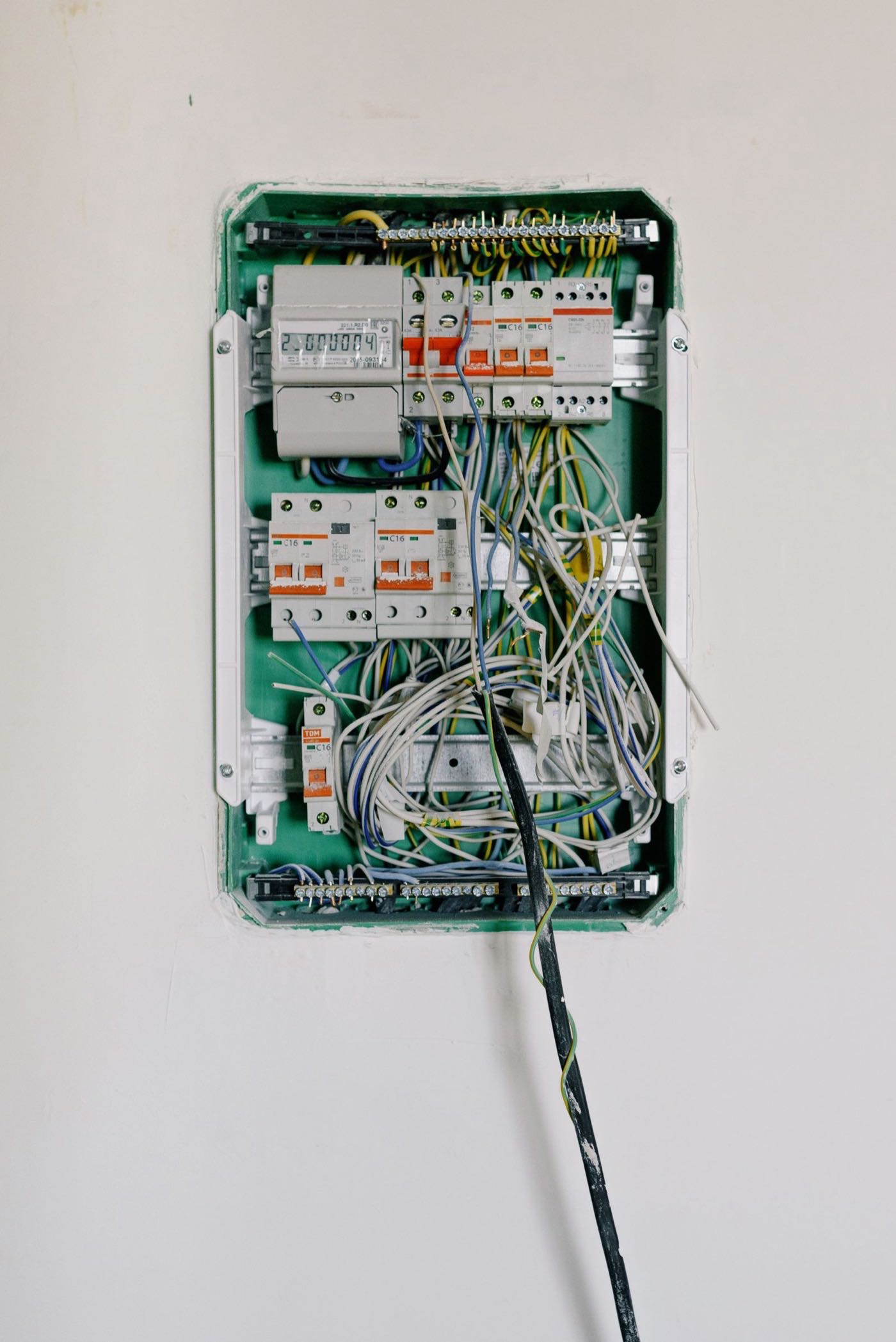
What pushes a panel job up or down its range
- Panel location and access: an open unfinished basement wall is the cheap end; a panel buried in a finished laundry-room closet with drywalled cable runs is the expensive end
- Circuit count and condition: a 24-circuit house with brittle, too-short conductors takes longer to transfer cleanly than a 12-circuit bungalow
- Mast, meter base and service cable: going to 200 amps means new service hardware outside, and an overhead service through mature trees or an underground feed changes the day's work
- Code-triggered extras: AFCI and GFCI breaker requirements, bonding and grounding corrections, and smoke/CO interconnection can add real line items on older homes
- What the open panel reveals: cloth-insulated conductors or aluminum branch circuits landing on the bus turn a panel quote into a wiring conversation; better to price it upfront from photos than discover it mid-job
Why the bundle wins the math
Look at the first two table rows: the jump from a bare swap to a full 200-amp service upgrade is roughly $1,500 of increment. Priced as a standalone project two years later, that same upgrade costs close to double. You'd pay again for the utility disconnect, the ESA permit and a licensed crew's day on site. The panel swap your insurer forced is also the cheapest chance you will get to add capacity. That's why the bundle is the default recommendation for any home with an EV, a heat pump, an induction range or a rental suite anywhere in its future.
Deadline pricing note: insurer letters with 30–60 day windows don't cost more. The work is identical. What deadlines change is scheduling priority, so mention the deadline when you ask for the quote.
Reading competing quotes without getting burned
When you gather quotes (and you should) put them on equal terms before comparing. Confirm each includes the ESA permit (a quote that does not mention it is a warning sign; the permits page explains why unpermitted work is worthless to your insurer), the Alectra coordination, breaker types (AFCI breakers cost several times a standard breaker each), and disposal of the old equipment. A suspiciously low number usually means a like-for-like swap being compared against someone else's 200-amp bundle. They are different products, not different margins.
The wiring line items
If your insurer's letter names more than the panel, the extra items price out very differently from each other. Aluminum pigtailing is the mild one: methodical work at every device, typically under $3,000, and accepted by insurers as the fix for 1965–76 aluminum branch wiring. Knob-and-tube is the heavy one: replacement is the only accepted remedy, and a full rewire spans $8,000–$25,000 depending on the house. The honest sequencing advice: get everything quoted in one visit even if you split the work into stages (the panel first, then wiring) so no truck visit or permit gets paid twice and the final ESA certificate covers the entire insurer list.